McKinzie Valdez Leaked: What Really Happened Online

Introduction:
Fame moves fast online.
However, privacy often disappears even faster.
Today, one viral name can spark millions of searches.
As a result, phrases like “McKinzie Valdez leaked” spread quickly.
At first, this looks like simple curiosity.
However, the issue goes much deeper.
It reveals how the internet treats young creators.
Moreover, it shows how attention often beats empathy.
This article avoids spreading leaks.
Instead, it explains why these searches happen, what they mean, and who suffers.
Most importantly, it focuses on people, not clicks.
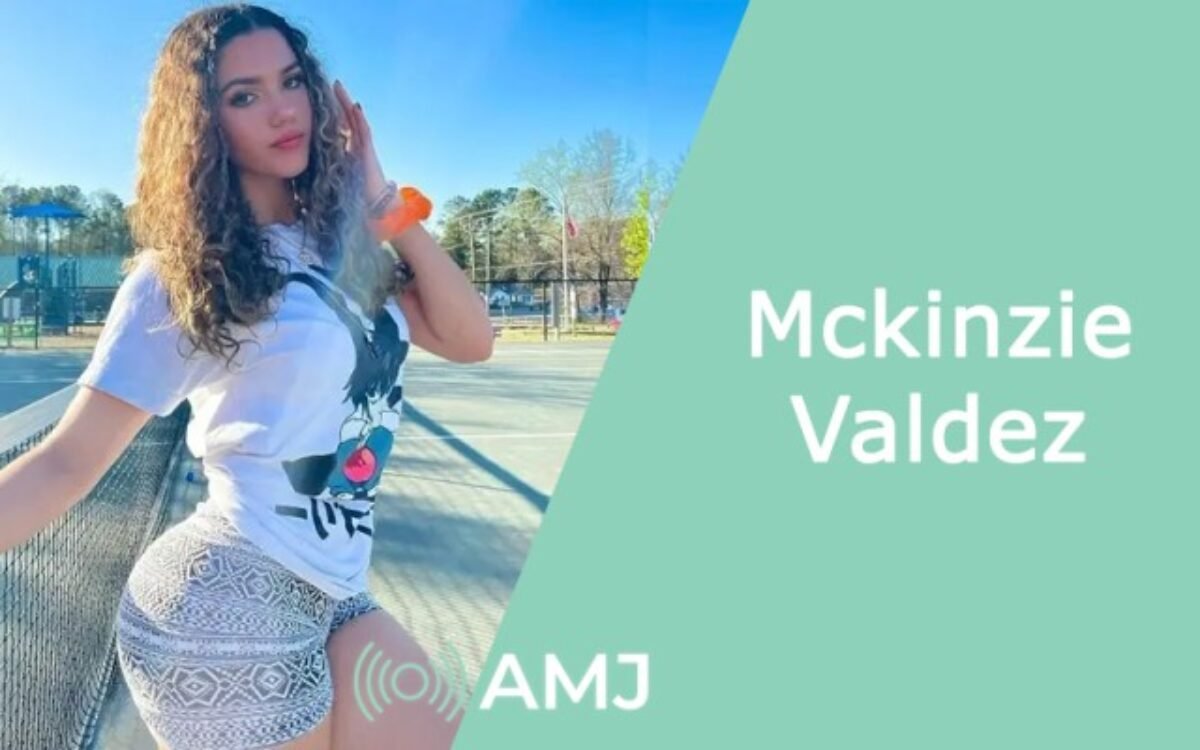
Who Is McKinzie Valdez?
McKinzie Valdez gained attention through short-form videos.
Like many creators, she followed trends and shared lifestyle content.
Because of this, her audience grew fast.
However, fast growth rarely includes safety training.
As a result, privacy becomes fragile.
Meanwhile, public attention keeps increasing.
This pattern repeats across social platforms.
What Does “Leaked” Mean Online?
The word “leaked” sounds simple.
However, its meaning often changes online.
In many cases, “leaked” refers to:
- Private content shared without consent
- Hacked or stolen files
- Paid content reposted illegally
- Fake images linked to real people
Because of this, the truth becomes unclear.
Moreover, rumors often travel faster than facts.
Even when content is fake, damage still happens.
Why Do Leak Searches Trend So Fast?
Internet behavior follows emotion.
Therefore, ethics often come later.
Several factors drive these trends.
First, Curiosity Fuels Clicks
People want hidden information.
Naturally, curiosity is human.
Because of this, search engines detect interest.
As a result, algorithms boost the topic.
Meanwhile, the cycle keeps growing.
Second, Parasocial Bonds Blur Boundaries
Many fans feel close to creators.
Over time, that closeness feels personal.
However, this creates false entitlement.
As a result, boundaries disappear.
On the other hand, creators lose control.
Third, Sensation Generates Revenue
Some websites chase traffic.
Therefore, they use shocking words.
As a result, creators face exposure.
Meanwhile, platforms profit from attention.
This system rewards controversy, not care.
The Human Cost Behind Viral Leaks
Behind every headline stands a real person.
Unfortunately, the internet often forgets this.
Leaks can cause:
- Anxiety and fear
- Loss of trust
- Online harassment
- Brand damage
- Long-term stress
Even rumors can feel overwhelming.
As a result, recovery takes time.
Once content spreads, control disappears.
Why Consent Always Comes First
Consent defines ethical sharing.
Without it, content becomes harmful.
Even public figures deserve privacy.
Therefore, private material must stay private.
Moreover, viewing leaked content supports exploitation.
Because of this, silence becomes powerful.
Every click sends a message.
Legal Risks Most Users Ignore
Many people think they are anonymous.
However, that belief is often wrong.
Sharing leaked content may violate:
- Privacy laws
- Copyright rules
- Cyber harassment laws
- Digital theft regulations
Because of this, consequences can follow.
Moreover, platforms now track activity better.
Evidence lasts longer than people expect.
How Platforms Amplify the Damage
Algorithms reward engagement.
However, they do not reward accuracy.
As a result:
- Rumors spread fast
- Corrections spread slowly
- Screenshots remain forever
Meanwhile, removal comes too late.
Therefore, the impact continues long after.
This Is a Pattern, Not an Exception
McKinzie Valdez is not alone.
In fact, many creators face similar issues.
Over time, influencers have dealt with:
- Fake leaks
- Stolen content
- False accusations
- Mental health strain
Some recover eventually.
However, others leave the internet.
This cycle repeats again and again.
How AI and Fake Media Make Things Worse
Technology now blurs reality.
As a result, truth becomes harder to find.
AI-generated images look real.
Meanwhile, deepfakes spread quickly.
Because of this, creators defend lies.
At the same time, audiences struggle to verify facts.
Therefore, responsible reading matters more than ever.
Why Ethical Reporting Matters
Writing about leaks carries responsibility.
Therefore, journalists must choose carefully.
Good reporting focuses on:
- Context
- Impact
- Education
On the other hand, bad reporting chases shock.
This article chooses responsibility over clicks.
What Creators Can Learn From This
Online growth requires online safety.
Therefore, preparation matters.
Creators should:
- Use strong passwords
- Enable two-factor security
- Separate private and public storage
- Learn basic digital laws
- Plan crisis responses
As a result, risk decreases.
What Audiences Should Remember
Attention equals power.
Therefore, every click matters.
Before searching, ask:
- Is this verified?
- Does this harm someone?
- Who benefits from my attention?
Because of this awareness, cycles break.
Why Responsible Content Ranks Better
Search engines track trust.
Therefore, exploitative pages fall quickly.
Educational pages last longer.
As a result, context-driven content wins.
This is why ethical SEO works.
Changing the Question Changes Everything
Instead of asking, “What leaked?”
Ask, “Why does this keep happening?”
Because of this shift, solutions appear.
Conclusion:
The term “McKinzie Valdez leaked” is more than gossip.
Instead, it reflects broken digital habits.
This story is about privacy and empathy.
Moreover, it is about responsibility.
Creators deserve protection.
Audiences need awareness.
Platforms must improve.
Only then can viral fame stop harming real lives.
Frequently Asked Questions
Is there confirmed leaked content?
Most claims involve rumors or unverified material.
Is sharing leaked content illegal?
In many regions, yes. Privacy laws apply.
Why do leak searches spread fast?
Because curiosity and algorithms amplify them.
Can creators protect themselves?
Yes. Security steps reduce risk.
Should people avoid searching leaks?
Yes. Avoiding clicks helps stop harm.











Post Comment